.jpeg)
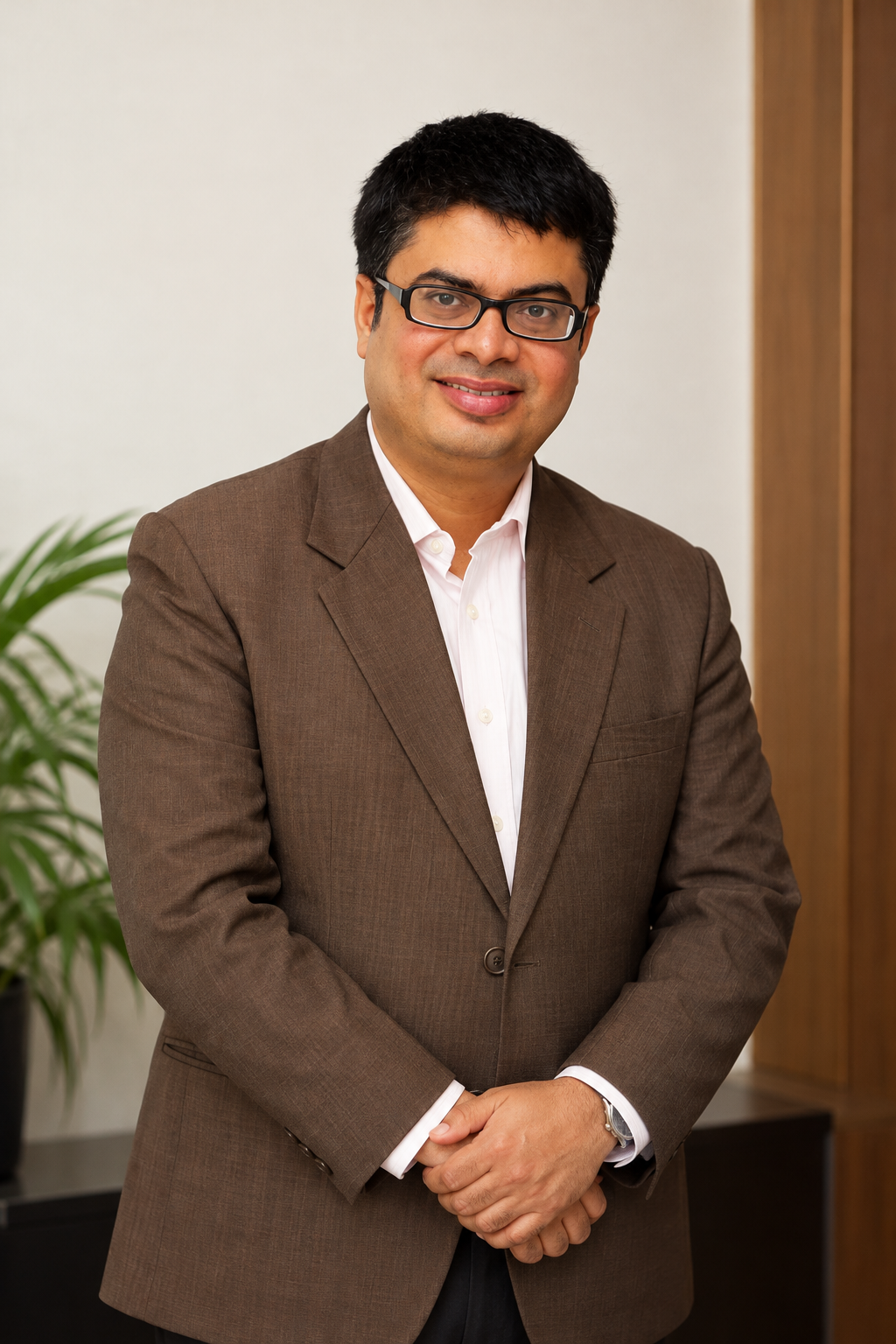
 President & Director
Raj Shekhar Joshi
Raj Shekhar Joshi, former Vice Chairman of SETU Aayog/State Planning Commission, Uttarakhand, was born in Kimar, Pati, near Lohaghat, in Champawat district of Uttarakhand. He comes from a family of scholars and remains deeply rooted in the culture and society of the state.
He is President and a Director of Pragyan Technology and Social Policy Action Foundation. A Computer Science alumnus of IIT Roorkee, he has held senior leadership positions in India and globally over a 35-year career, serving as President, Joint President and CEO across well-known groups and multinational companies, including the Aditya Birla Group, Reliance and Macmillan, and has also been associated with the Tata Group. He has been an entrepreneur and a public policy leader in education, and has served as a Special Invitee to the Cabinet's Empowered Technology Group.
His work has spanned governance reform, disaster management policy, urban and rural development planning, and Himalayan sustainability. He writes and speaks at national and international forums on governance, development planning and a vision for the Himalayan region, with particular focus on climate resilience and ecological economics in hill states.
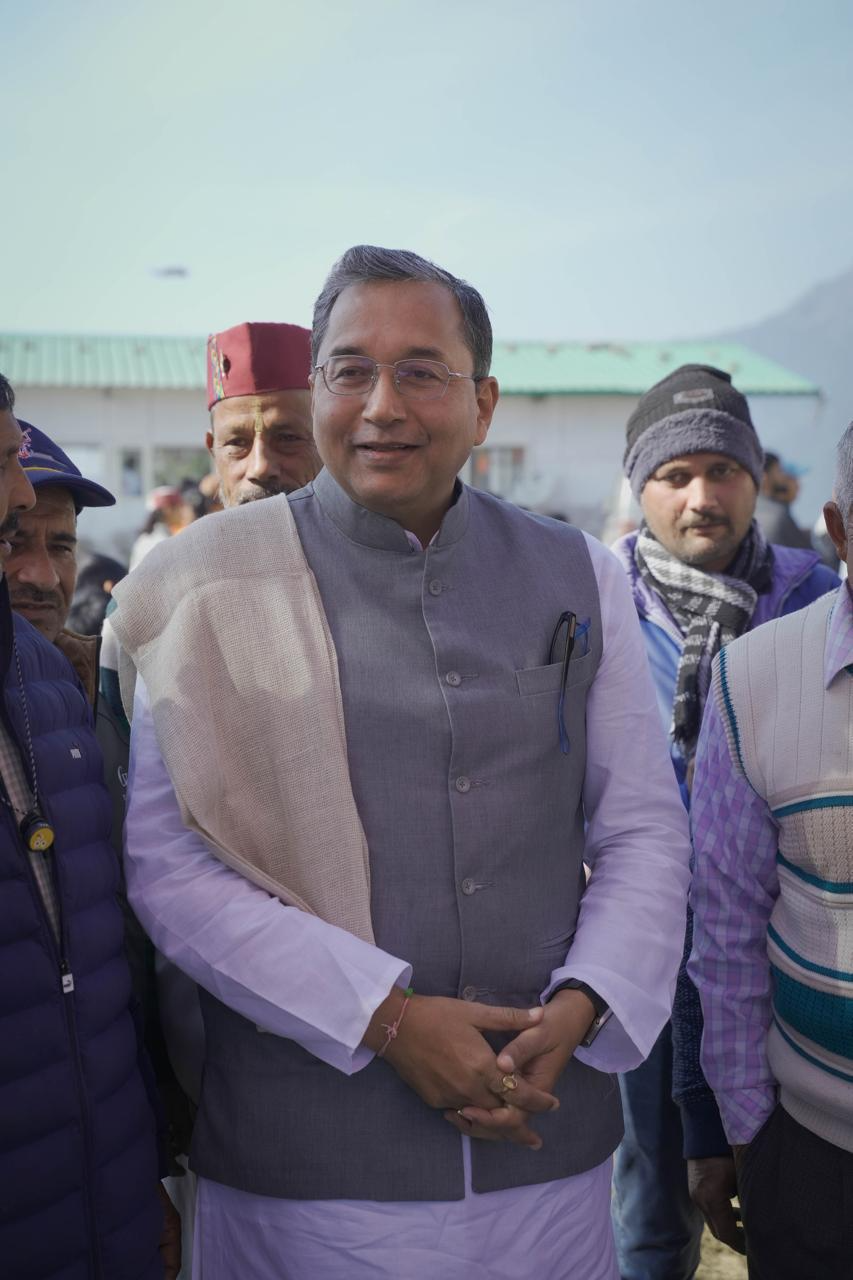
He currently spends substantial time in Lohaghat and Pati in Champawat, working on education, skilling, climate-resilient agriculture and women's empowerment, while remaining closely associated with leading corporates in Mumbai and across India.
As the first Vice Chairman of SETU Aayog/State Planning Commission in its new form, he established Uttarakhand's apex state planning and policy think tank on the NITI Aayog model. Under his leadership, the Aayog developed public policies and programmes across education, electric vehicles, artificial intelligence, waste management, agriculture, dairy and animal husbandry, skill development, food processing, women's empowerment, technology-based rural service centres and new models of policy implementation.
He conceptualised and drove the strategic planning that built SETU Aayog from the ground up. This included its distinctive model of lateral hiring of sector experts and its approach to action-oriented, evidence-based policymaking through partnerships with government departments, private organisations, civil society and communities, including Tata companies, Tata Trusts, NDDB, the Gates Foundation and NASSCOM.
Under his leadership, the institution was recognised by NITI Aayog as one of India's best-performing state-level institutions equivalent to NITI Aayog.